Filed by Kudzu Country Club · Published June 23, 2026
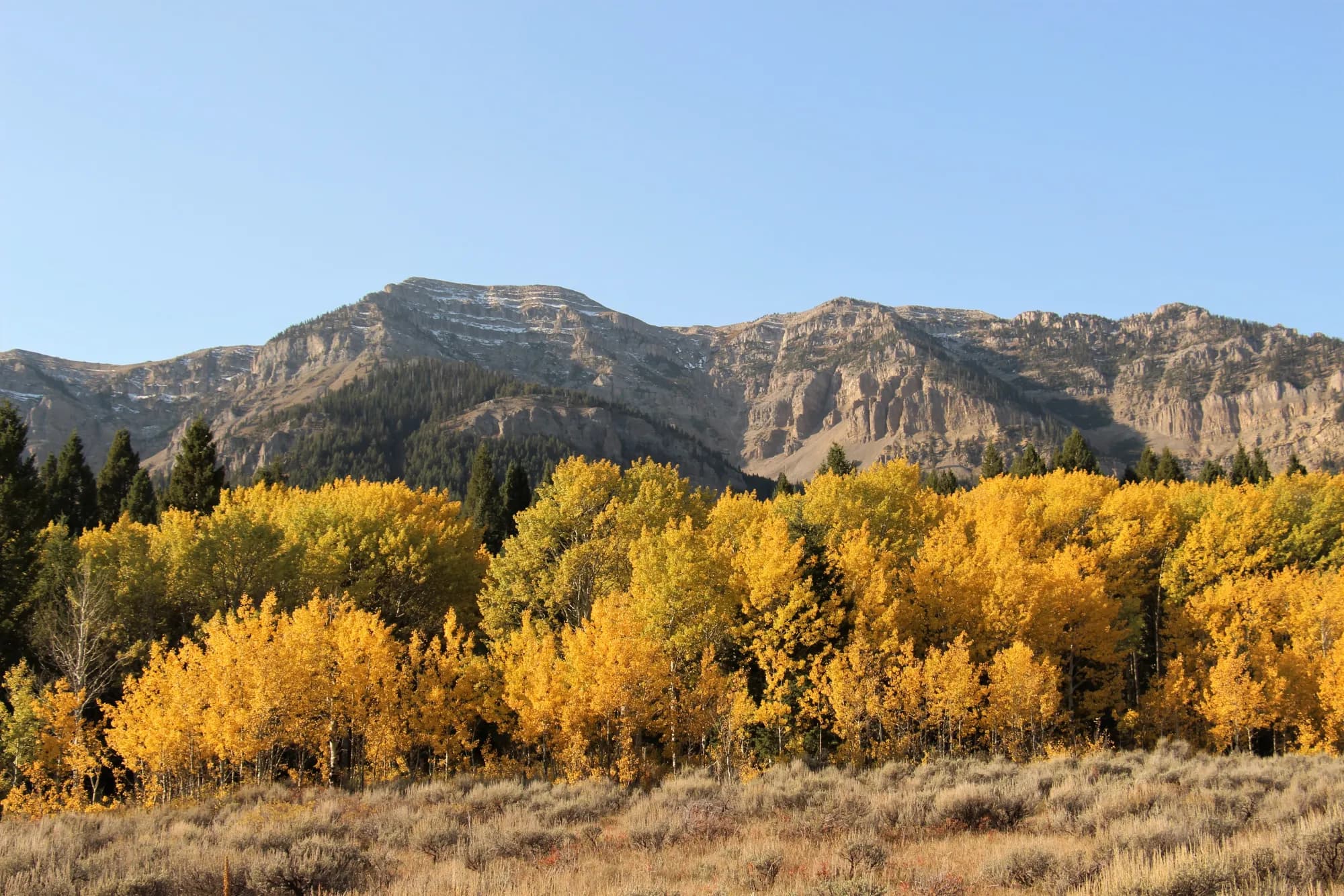
Tucked up against the Continental Divide in the Centennial Valley - a place so remote the roads turn to dirt long before you arrive - is a basin of shallow lakes and marsh sitting at almost 6,600 feet. It's hard to get to, cold most of the year, and ringed by mountains that hold snow into summer. It is also one of the most important wetlands in the Rockies, and it exists as a refuge for one specific reason.
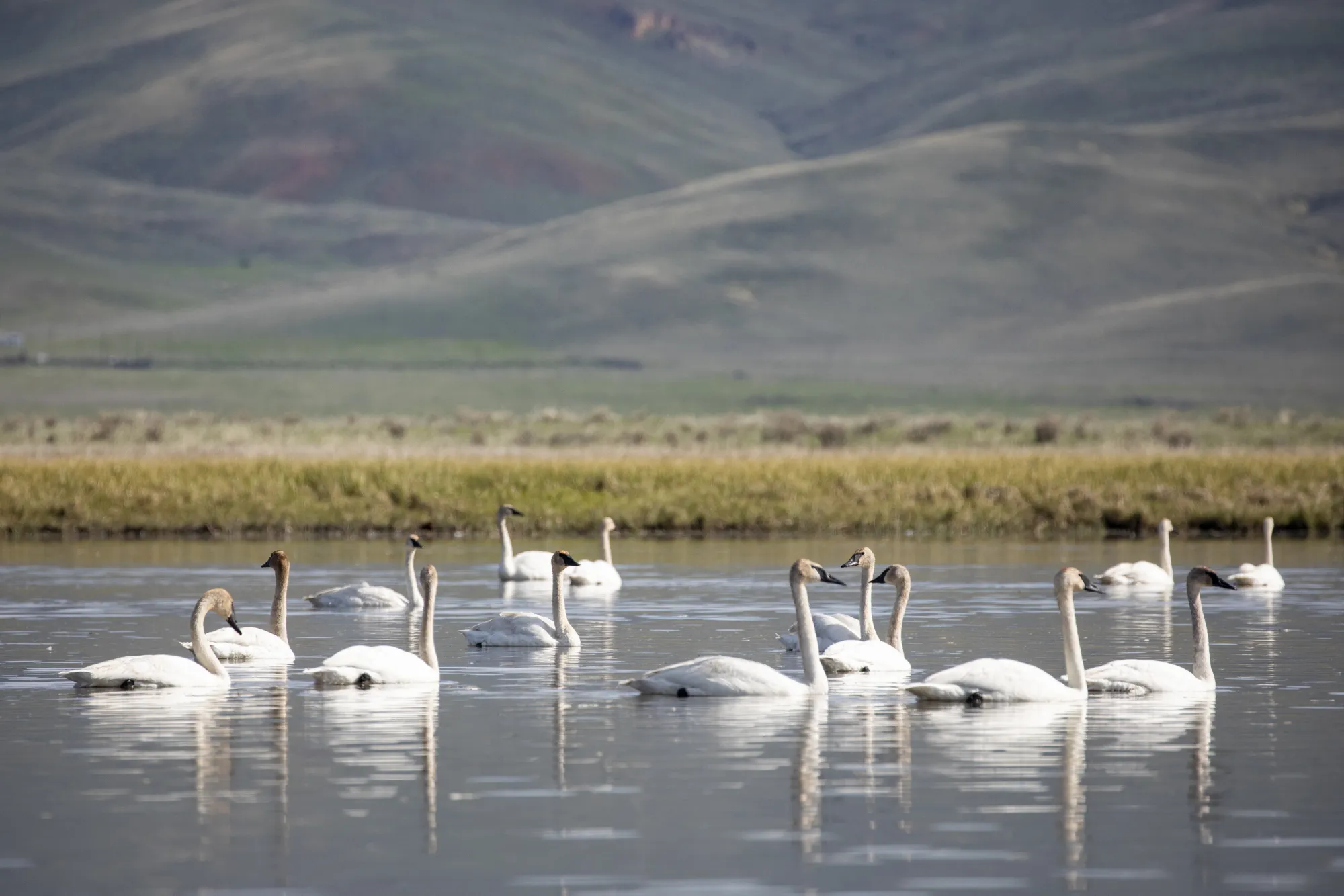
By the 1930s the trumpeter swan - the largest native waterfowl in North America, a bird with an eight-foot wingspan - was nearly gone in the lower forty-eight. A few dozen survived, and a lot of them survived here, in these marshes, because the spring-fed water stays open through winter and almost nobody came to bother them. The refuge was set aside to protect that remnant. The birds held on. They're still here, gliding across the lakes with a wingspan wider than you are tall, and they are no longer a species teetering on the edge.
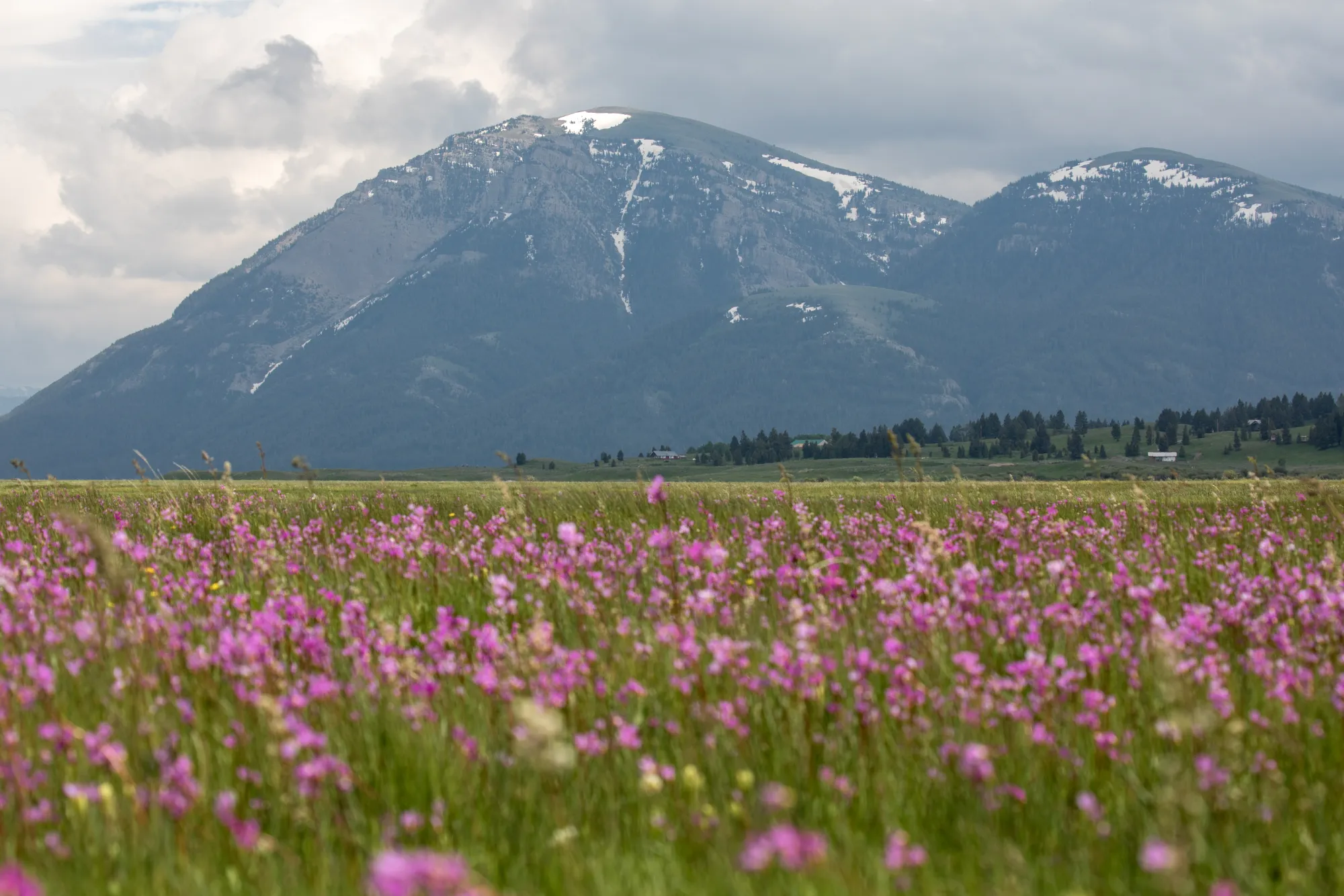
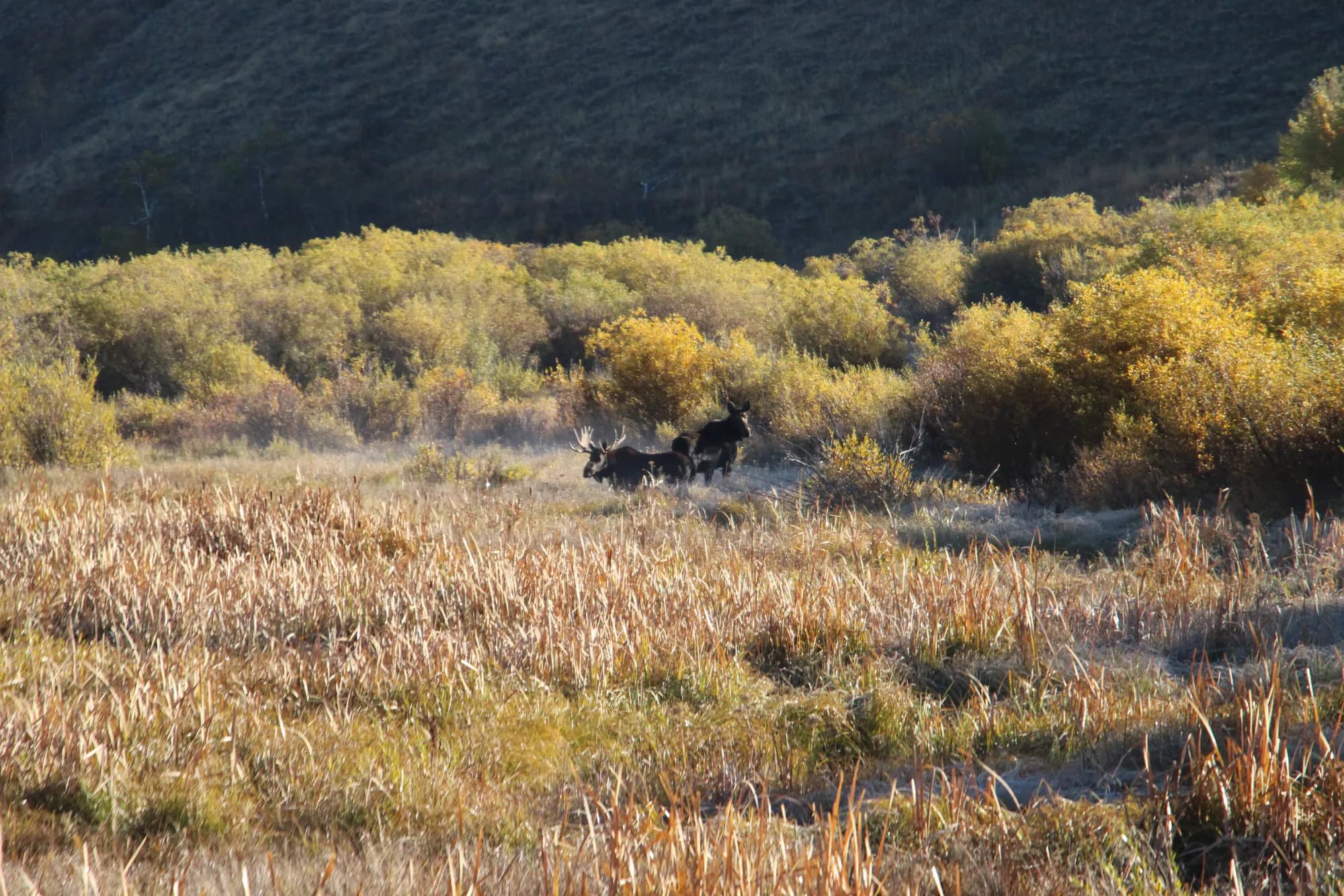
The rest of the valley matches the swans for understatement: moose in the willows, sandhill cranes, pronghorn on the flats, the Centennials rising clean behind it all. There's no town, no concession, no crowd. It's the kind of place that does its quiet work whether or not anyone shows up to watch - and it has been doing it, successfully, for the better part of a century.