Filed by Kudzu Country Club · Published June 23, 2026 · Updated October 1, 2026
The newest winter count puts Isle Royale near opposite ends of its recorded range. Michigan Tech researchers estimated 37 wolves in early 2026, the most since the late 1970s, and 524 moose. The moose estimate is down 75 percent from 2019, when the island held about 2,000. Researchers calculated that wolves killed roughly 24 percent of the moose population during the previous year.
That does not make the island a tidy two-animal seesaw. Weather, forage, age, disease, and predation all move the numbers, sometimes together. The winter study began in 1958 and remains the longest-running study of a wild predator–prey system, although recent winters have included interrupted or missed population surveys. Its value is the long record, not an unbroken annual count.
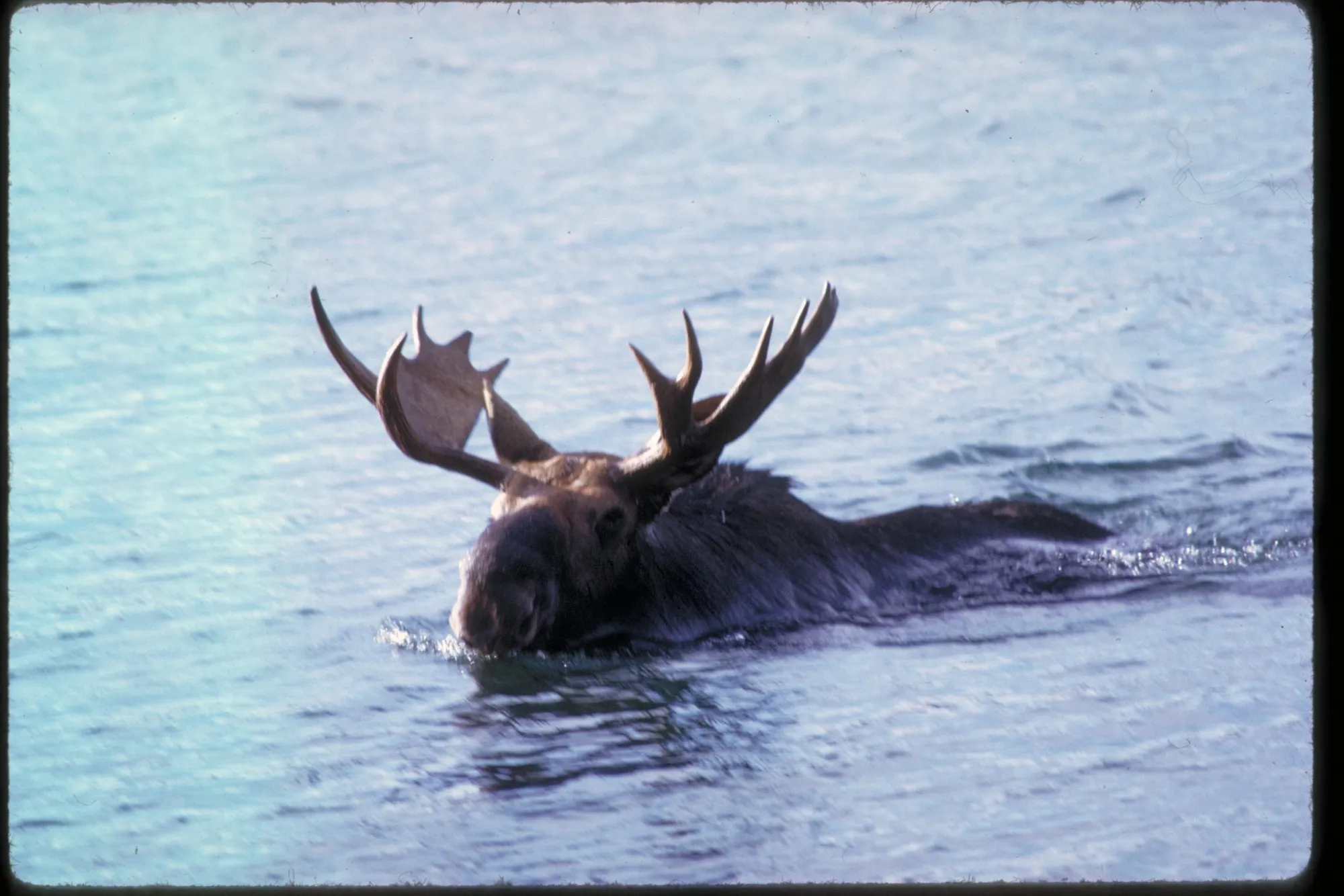
Moose established themselves on Isle Royale in the early 1900s. How they arrived is still debated. Wolves came later, most likely over an ice bridge from Ontario in the winter of 1948. By 2016 the wolf population had fallen to two highly inbred animals. The National Park Service moved 19 wolves from Minnesota, Ontario, and Michigan to the island in 2018 and 2019. The 2026 population is organized into three packs, all of which raised pups in 2025.
The recovery is visible beyond the research charts. During the 2026 visitor season, repeated wolf interest in tents, packs, and improperly stored food led the park to close tent and hammock camping at four east-end campgrounds through October 31. Shelters remain open there. This is not a reason to go looking for a wolf. It is a reason to keep every scrap, scented item, and cooking tool in a locker or approved hard-sided container, and to check the park's conditions before crossing Lake Superior.
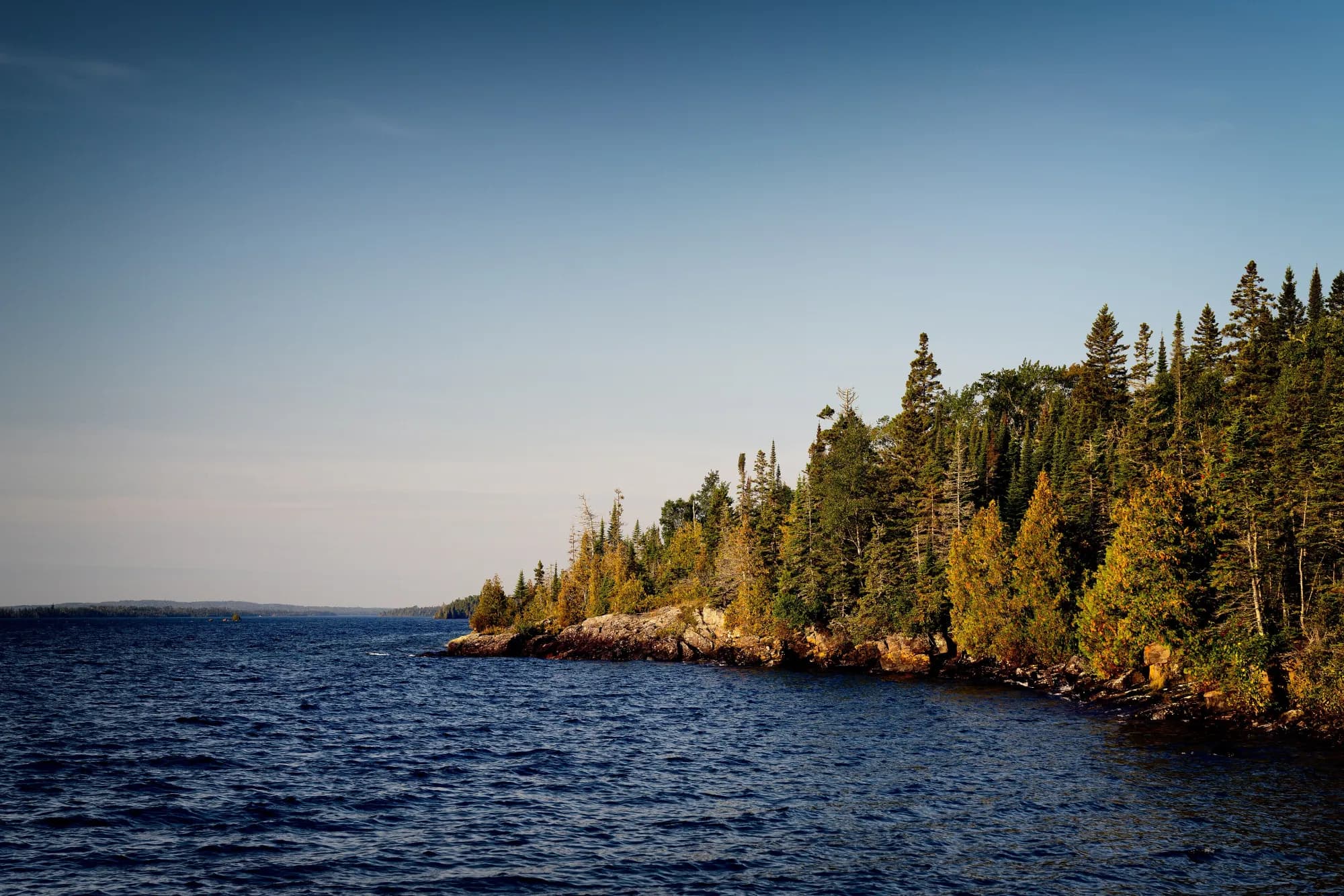
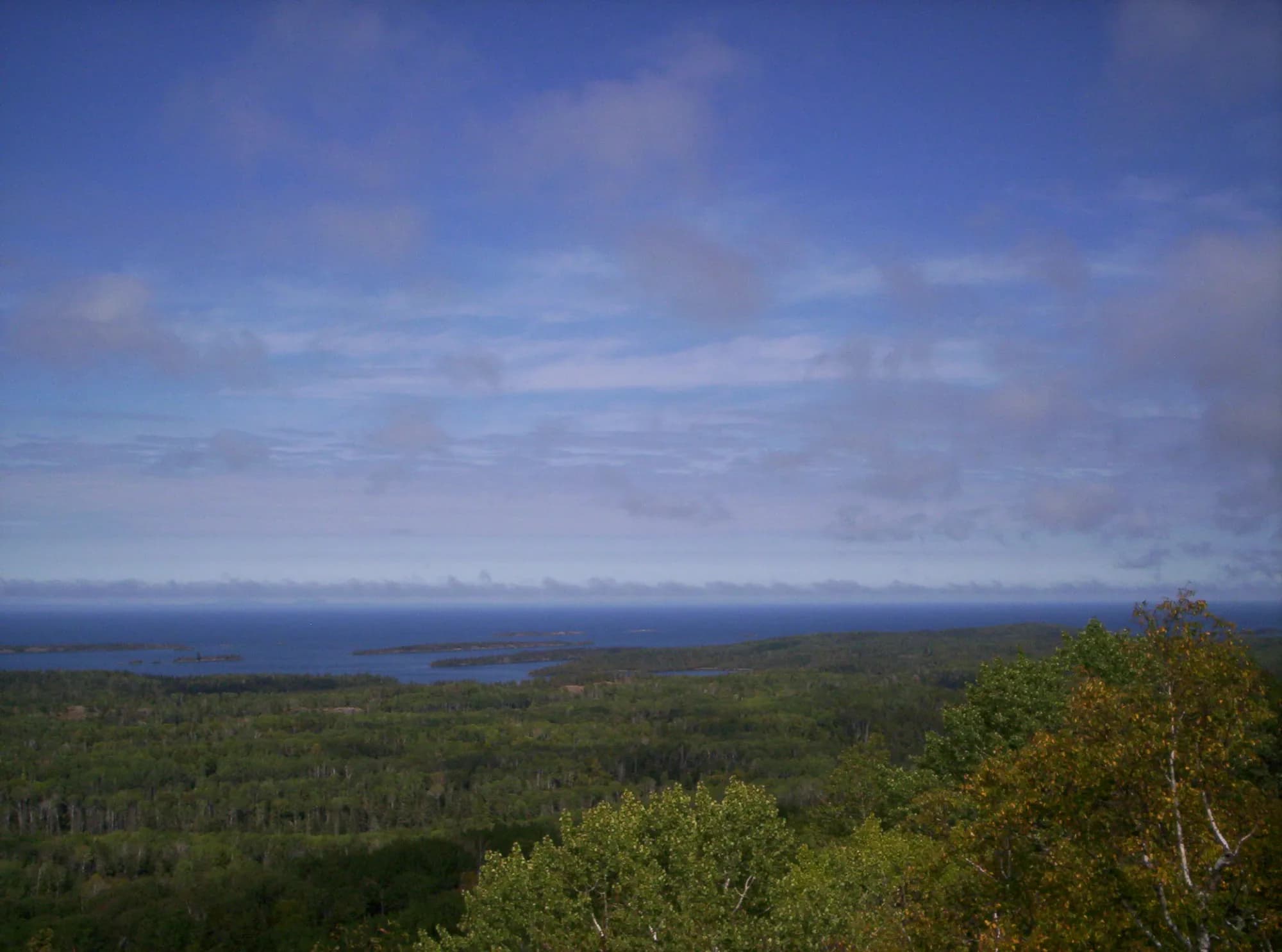
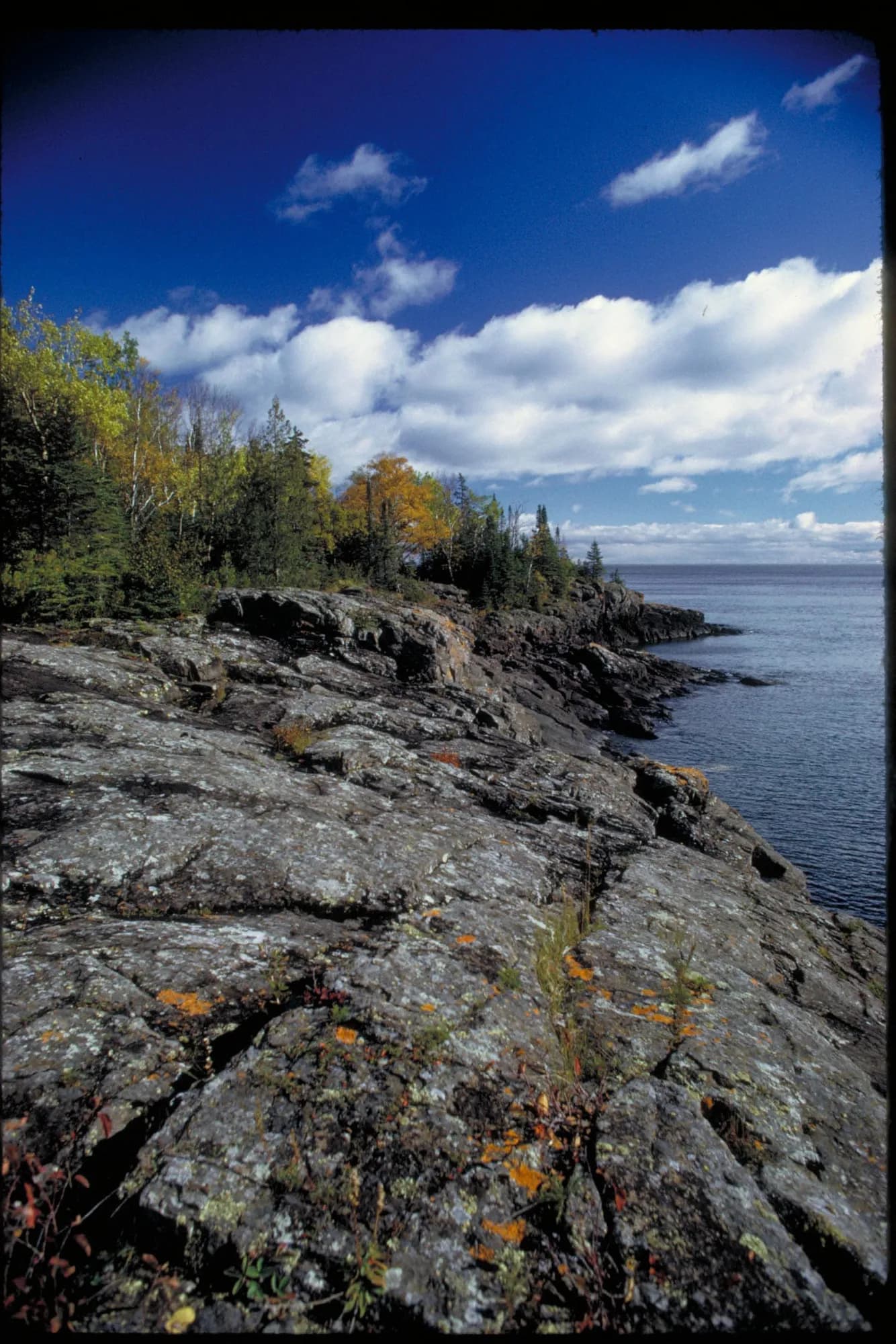
The appeal of Isle Royale is still the same: a roadless island reached by boat or seaplane, with spruce, birch, inland lakes, and a rocky shore. The long study makes the place legible without making it simple. Thirty-seven wolves and 524 moose are not a verdict on whether the project worked. They are the latest reading from an ecosystem that keeps revising the lesson.
.jpg)
.jpg)

