Filed by Kudzu Country Club · Published June 23, 2026
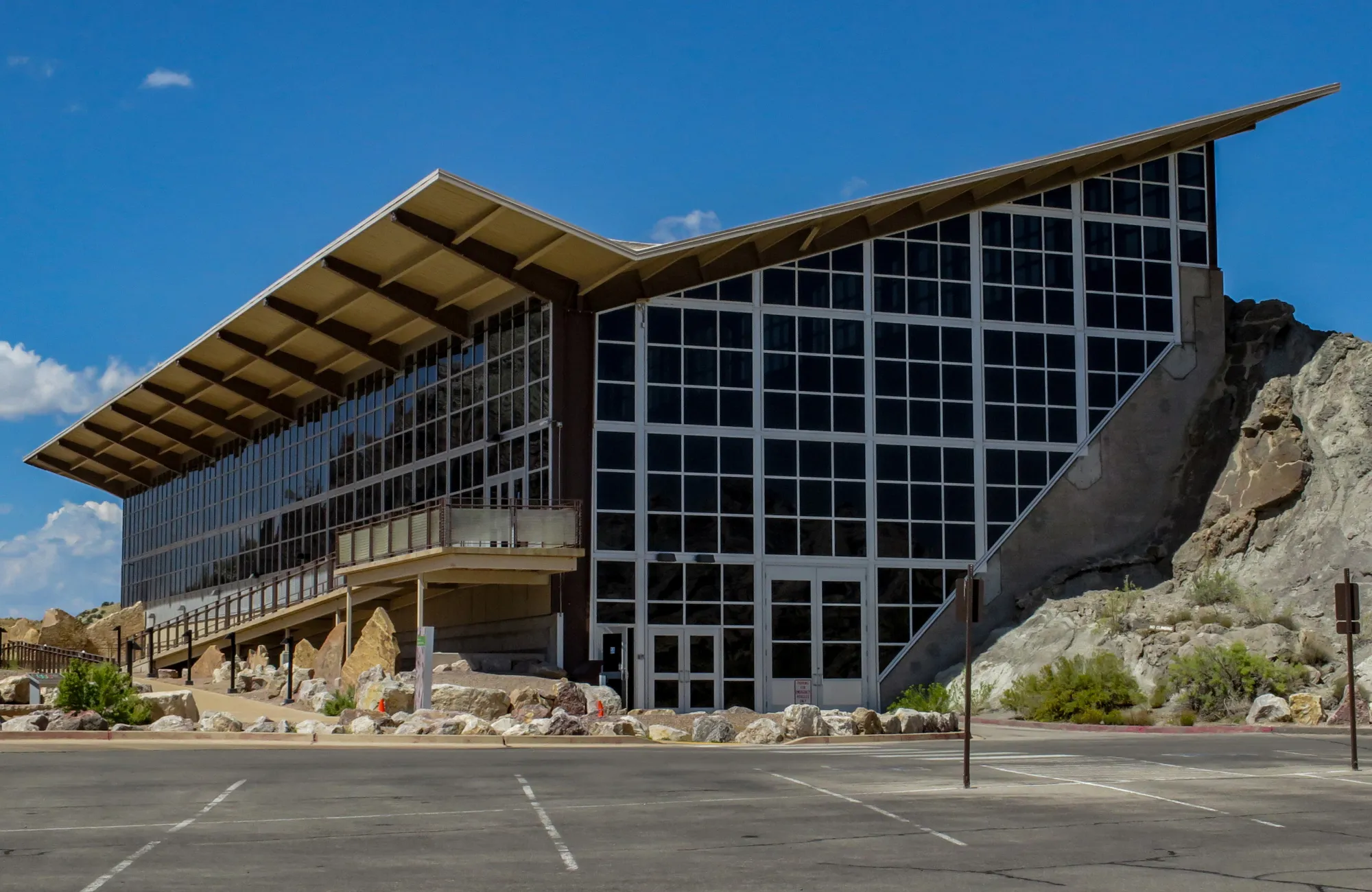
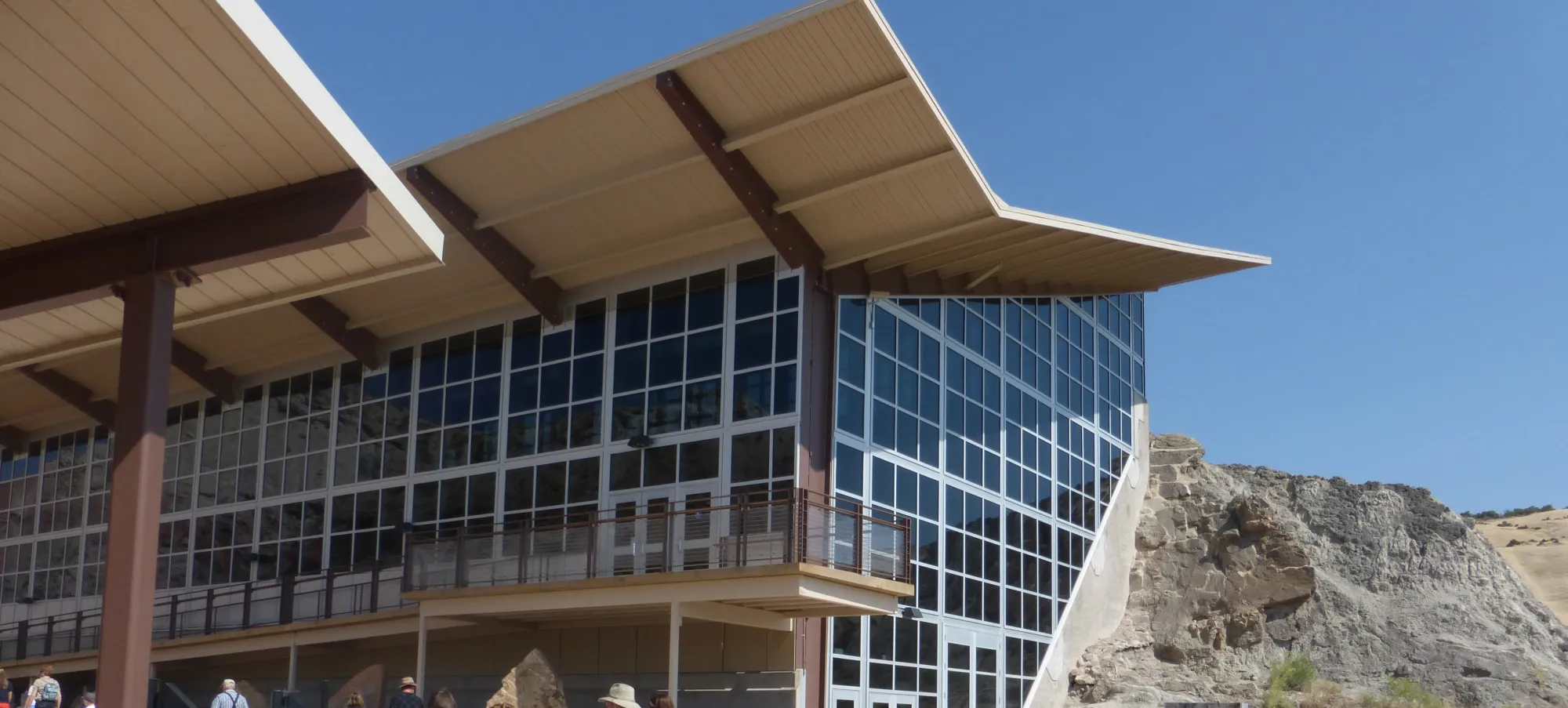
In 1909 a paleontologist named Earl Douglass found a line of tailbones eroding out of a ridge in this dry corner of the West. It turned out to be one of the richest Jurassic bone deposits anywhere - a sandbar, a hundred and fifty million years ago, where floodwaters had piled up the carcasses of allosaurus, stegosaurus, the long-necked giants. Rather than haul every last bone to a museum, they eventually did something better: they built a building over part of the deposit and stopped digging.
So the Quarry Exhibit Hall is the rarest kind of museum - the fossils are in the cliff, in the ground, where they died. A tilted wall of stone, two stories of it, studded with real bones you can stand a few feet from and, in places, put your hand on. Not casts. Not a reconstruction. The actual sandbar, turned to rock and stood on end by the same forces that built the mountains.
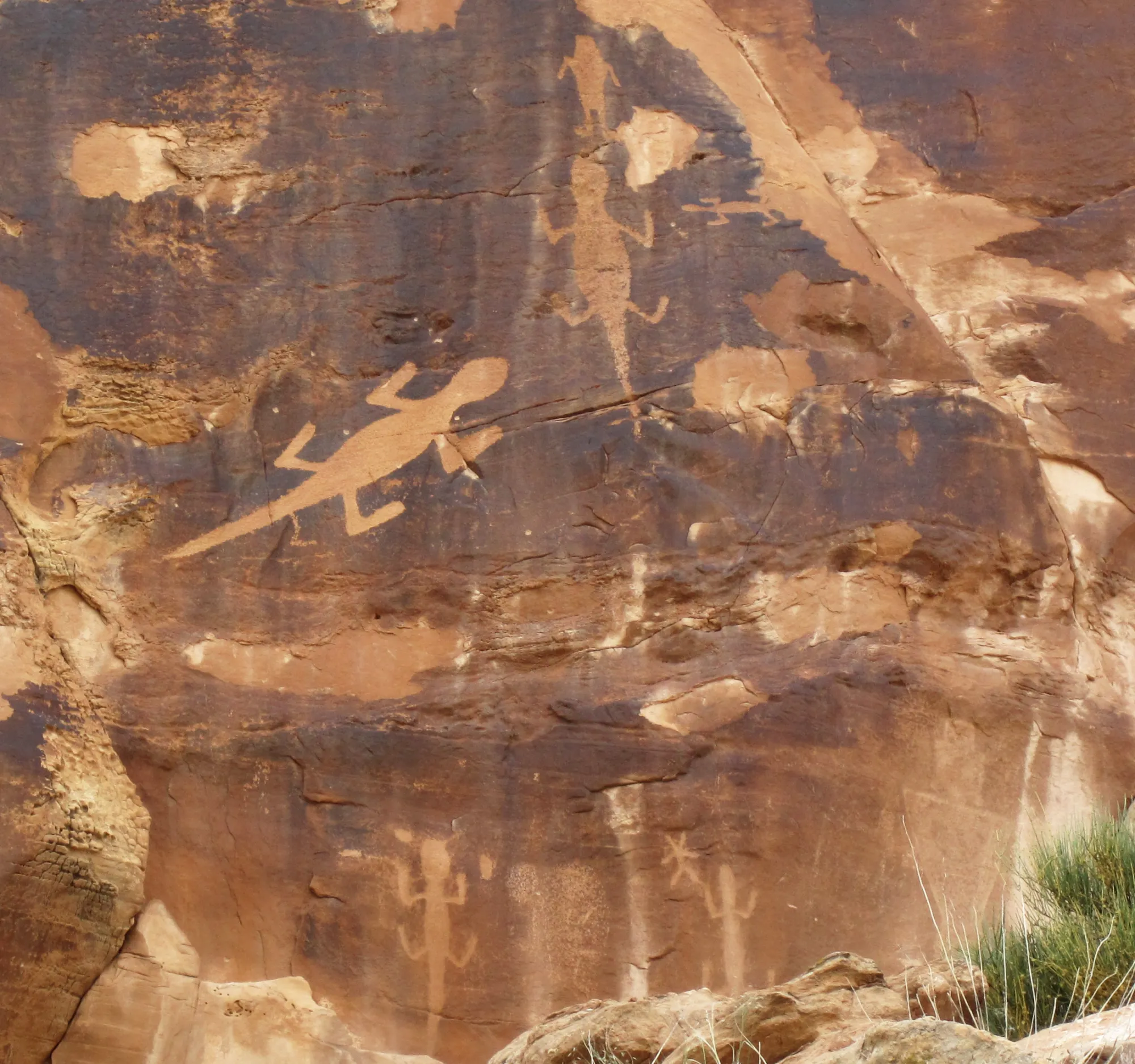
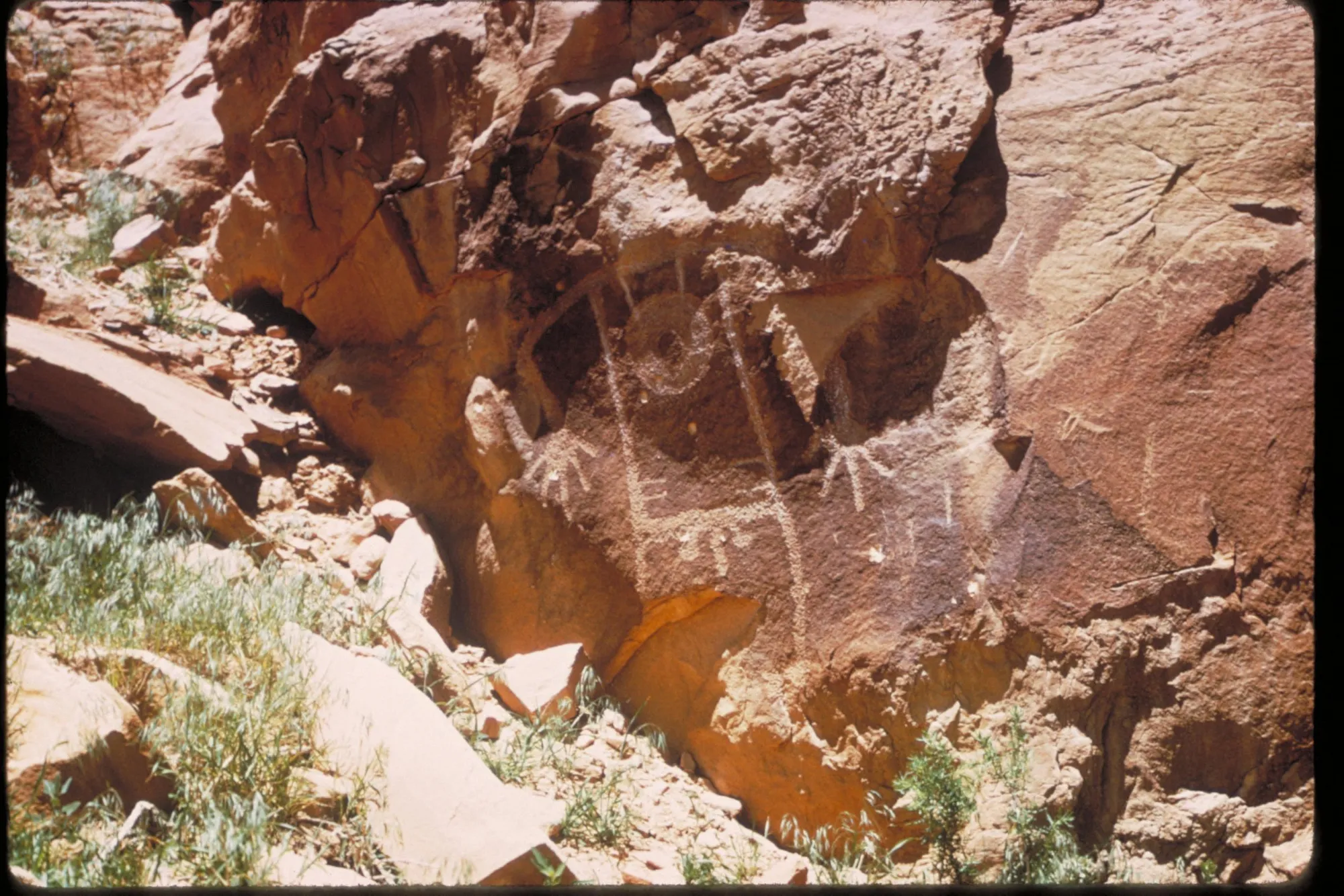
And the bones are only the front door. The monument sprawls out into high desert canyon country where the Green and Yampa rivers cut deep - petroglyphs pecked into the rock by people who came long after the dinosaurs, bighorn sheep on the ledges, whitewater for anyone with a raft and a permit. You come for the wall of bones. You stay for a piece of the West that still feels prehistoric in every direction.