Filed by Kudzu Country Club · Published June 23, 2026
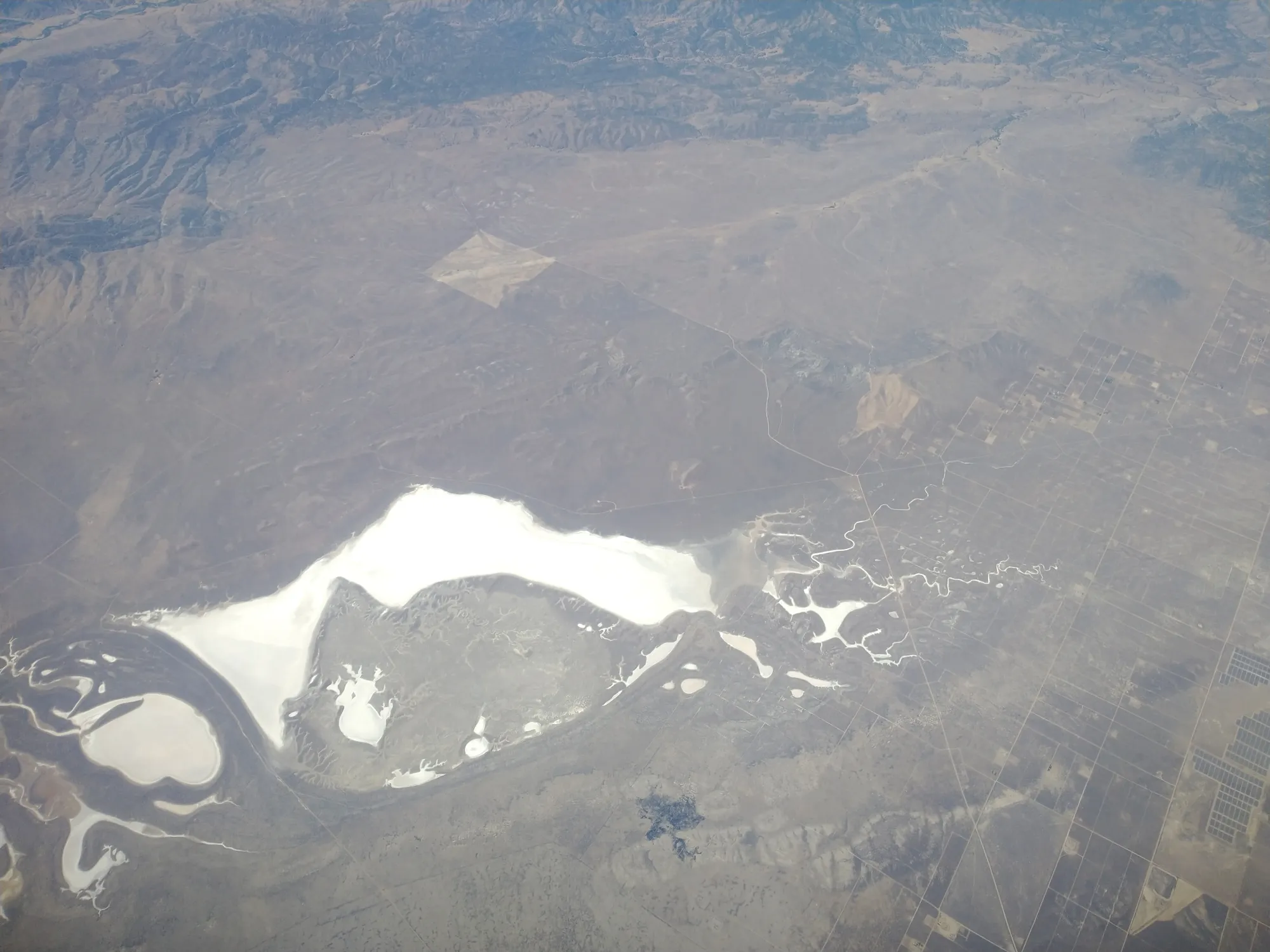
Most people drive past the turnoff their whole lives. The Carrizo is a long, dry valley penned between two ranges in the middle of the state - no town, no gas, a hard-pan lakebed called Soda Lake that goes white with alkali when the water dries. It looks like nothing. It is, in fact, the closest thing California has left to the grassland that covered the whole Central Valley before the plows came: pronghorn, kit foxes, giant kangaroo rats, the works.
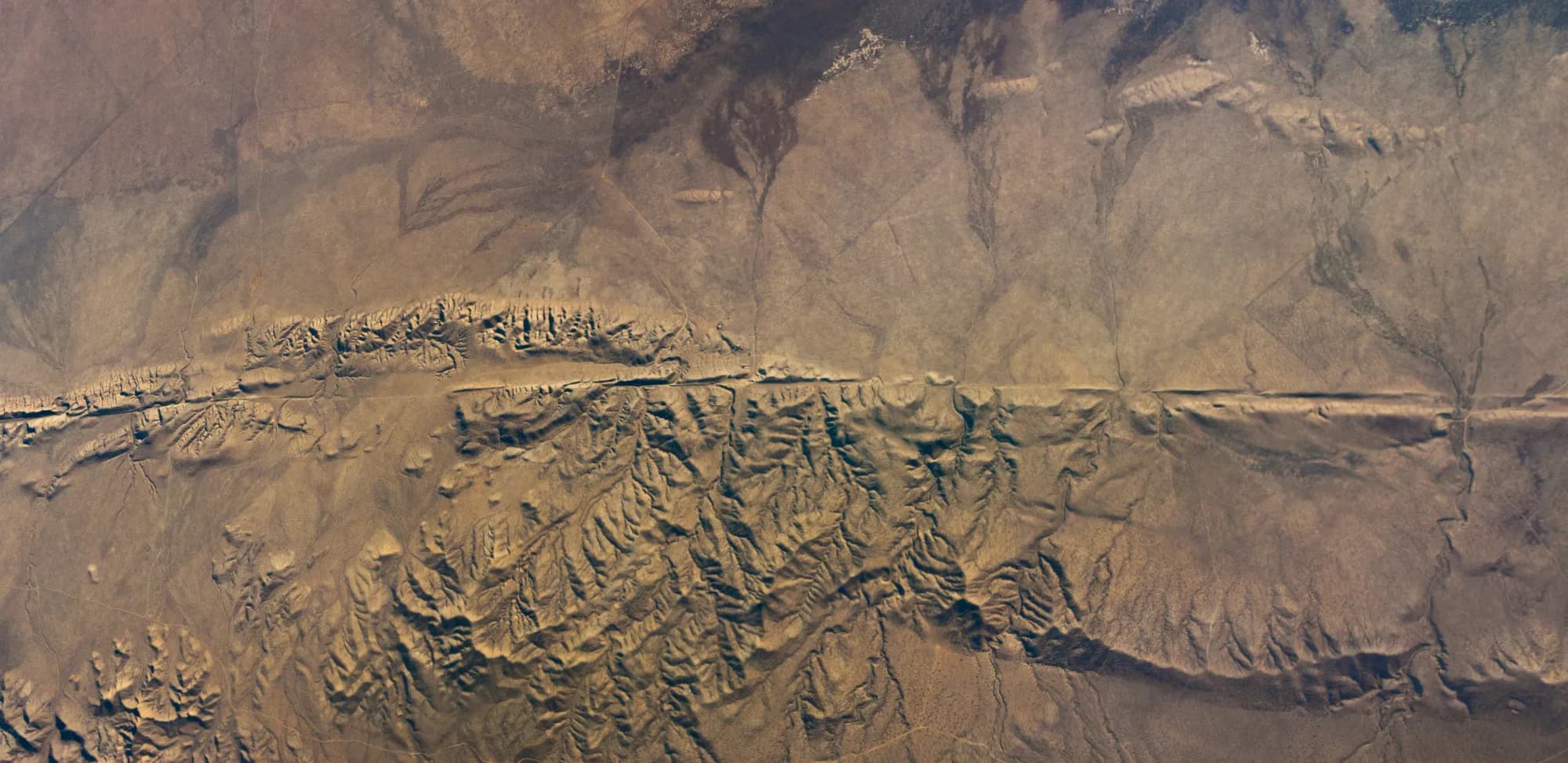
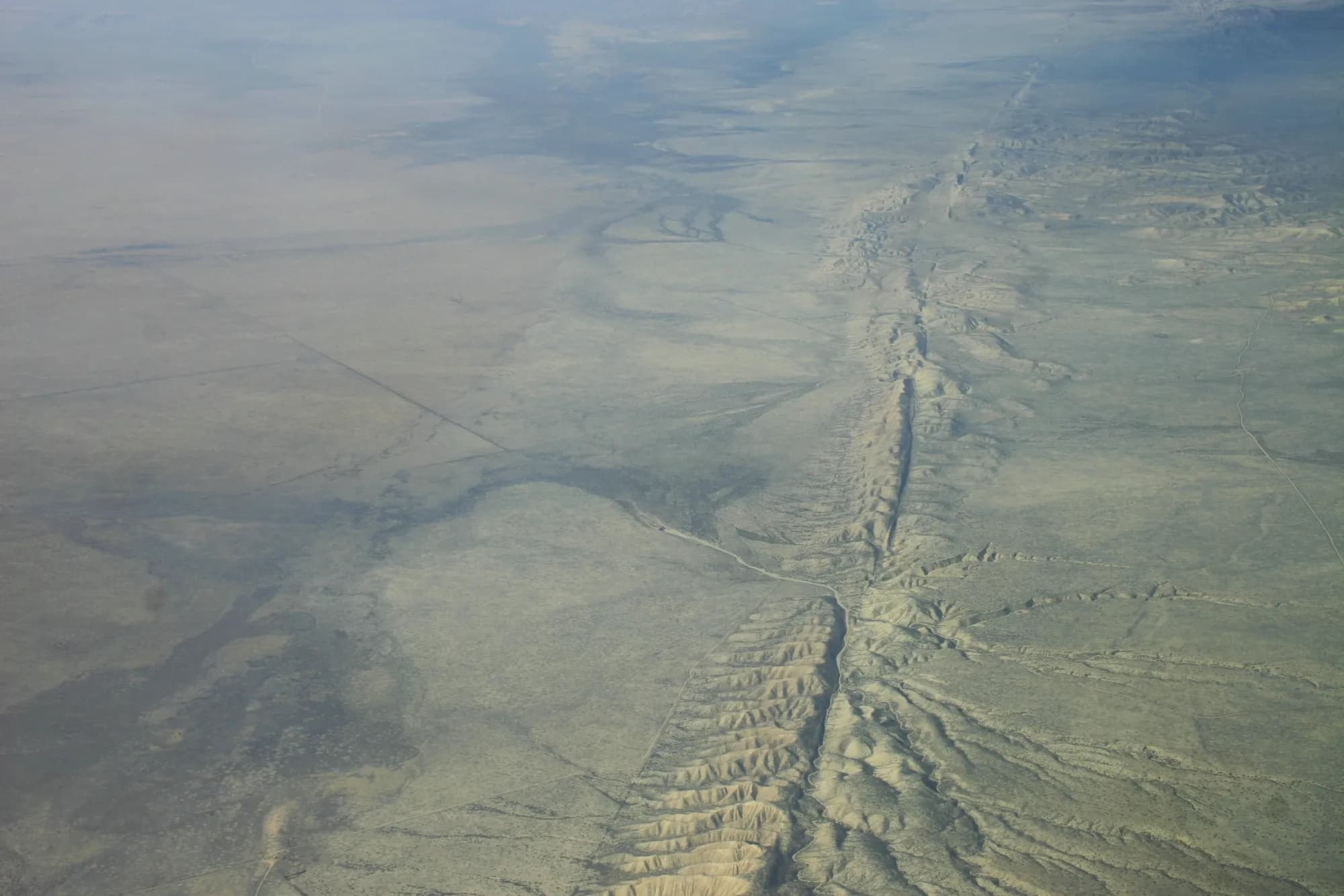
It runs right over the San Andreas Fault. The fault line is so plainly visible here that geology classes come to stand on it - you can see streambeds that the moving ground has bent sideways over the centuries, a slow-motion record of the continent grinding against itself. On an ordinary day that's the main event: a huge silence, a straight gravel road, and the fault running up the base of the hills like a seam.
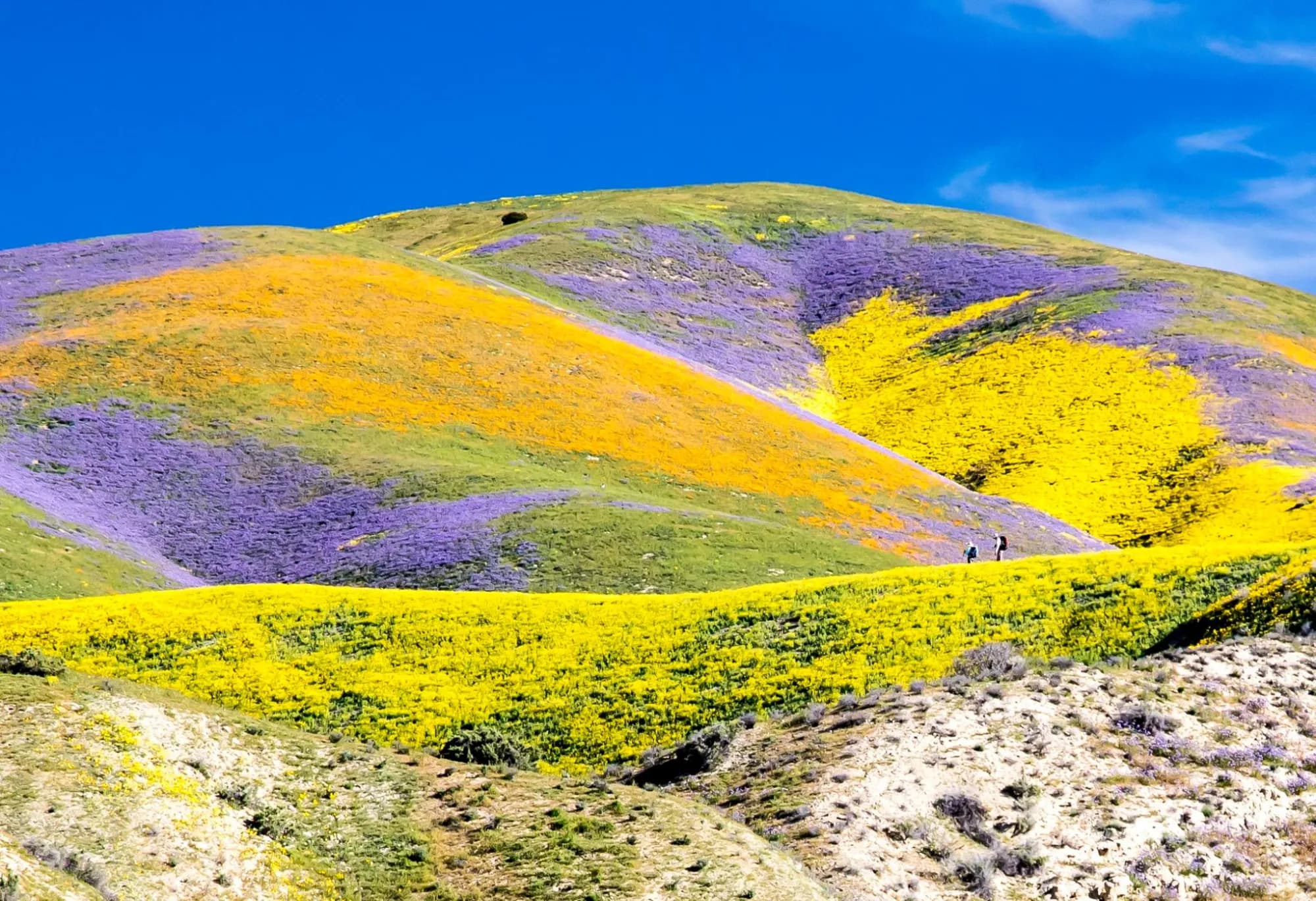
Then, in a wet year, the whole place detonates into color. Hillsides go solid yellow and orange with wildflowers, the superbloom you've maybe seen photographed from space. It doesn't happen on schedule and it doesn't last - a few weeks, and then back to brown. That's the deal with the Carrizo. It rewards people who show up to nothing in particular and look anyway.